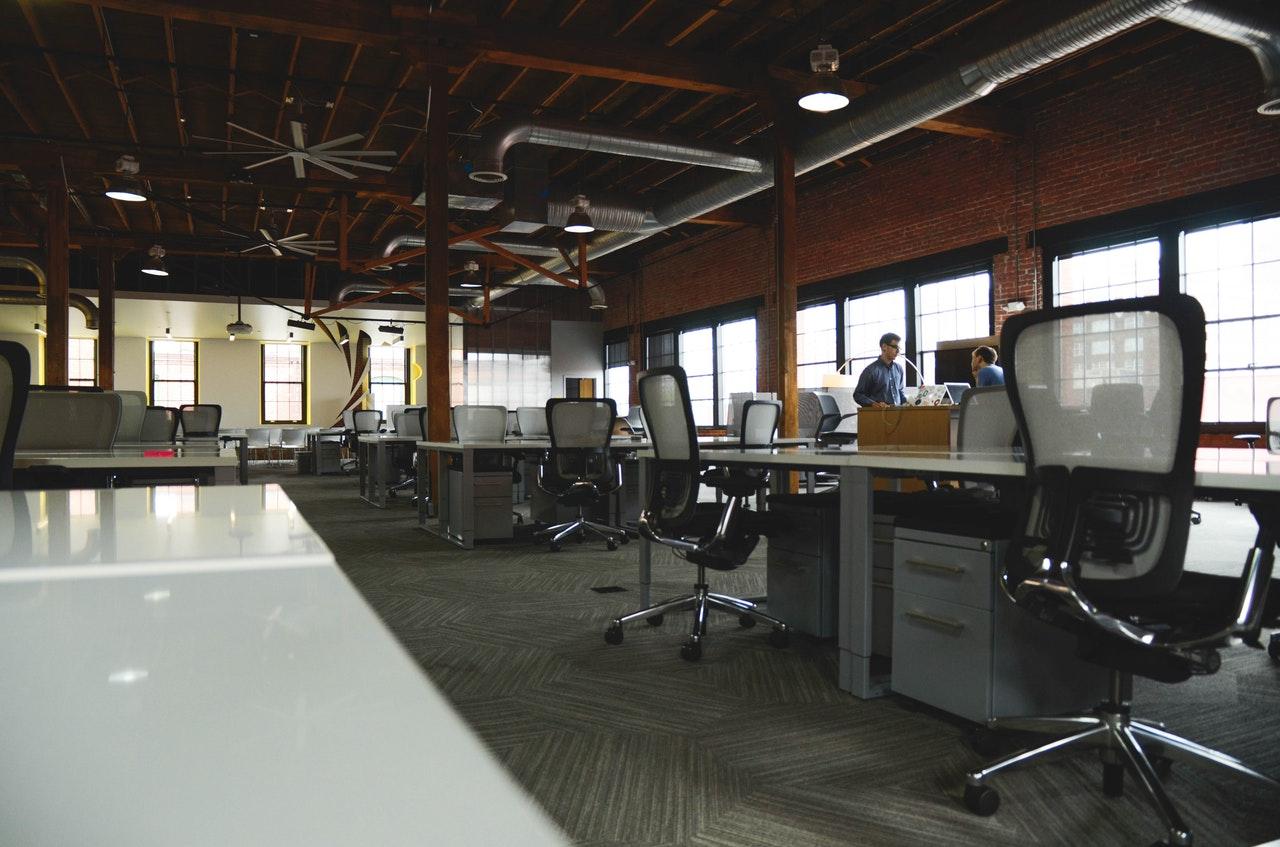
Office Design Tips to Increase Employee Productivity
Employees spend an average of 8+ hours a day in the office, so it’s no surprise that office design for productivity plays a vital role in workplace performance. While incentives like salary increases or upgraded tools can help, it’s the physical environment that most consistently impacts morale, focus, and overall satisfaction.
To help you build an environment that promotes well-being and peak performance, we’ve compiled the most effective office design for productivity tips that companies—especially those redesigning or outfitting new offices—should consider.
1. Install Community Boards
Creating an informed and engaged workplace starts with better communication. Installing community pin-up boards for departments and shared announcements helps employees stay connected.
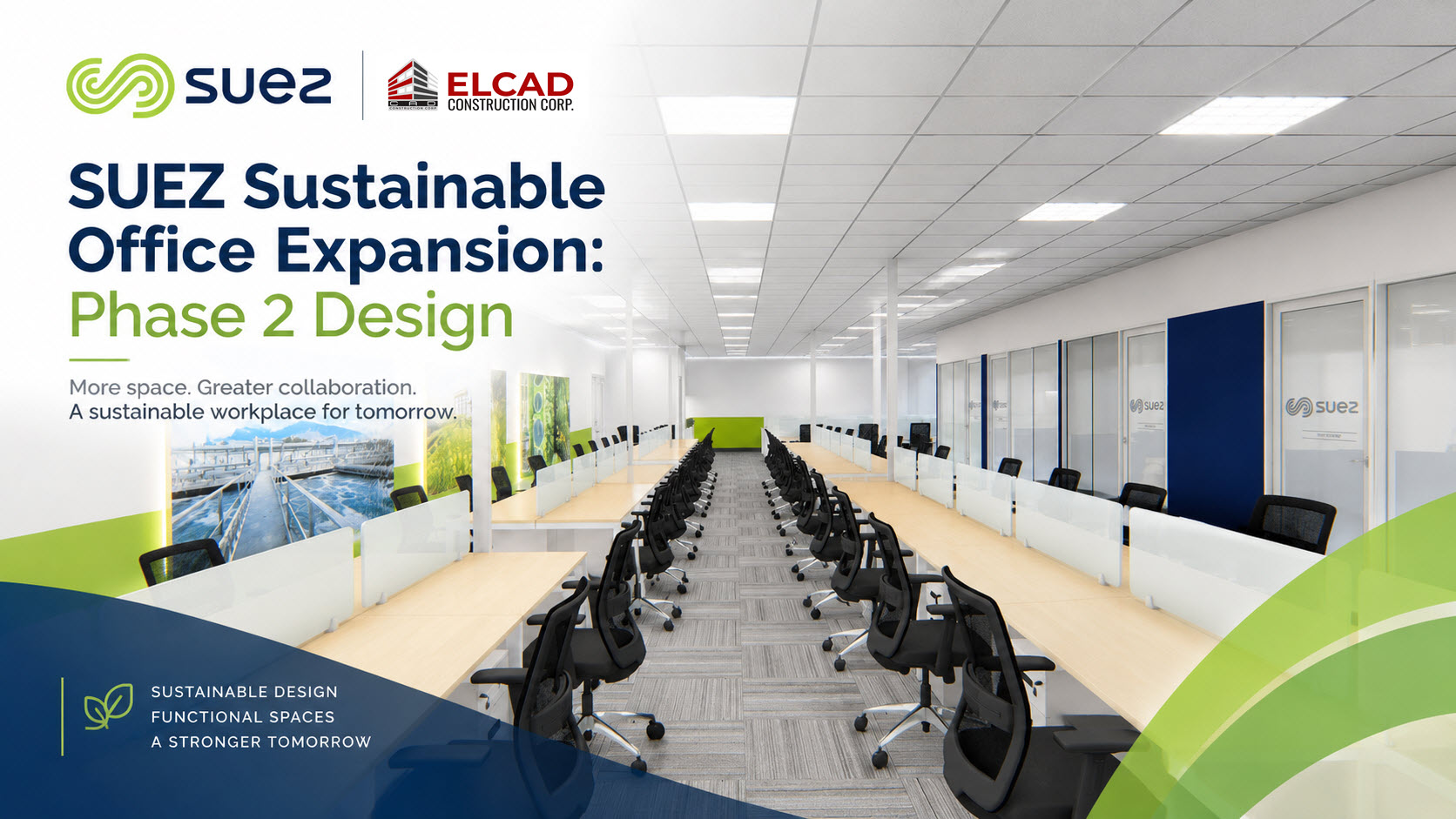
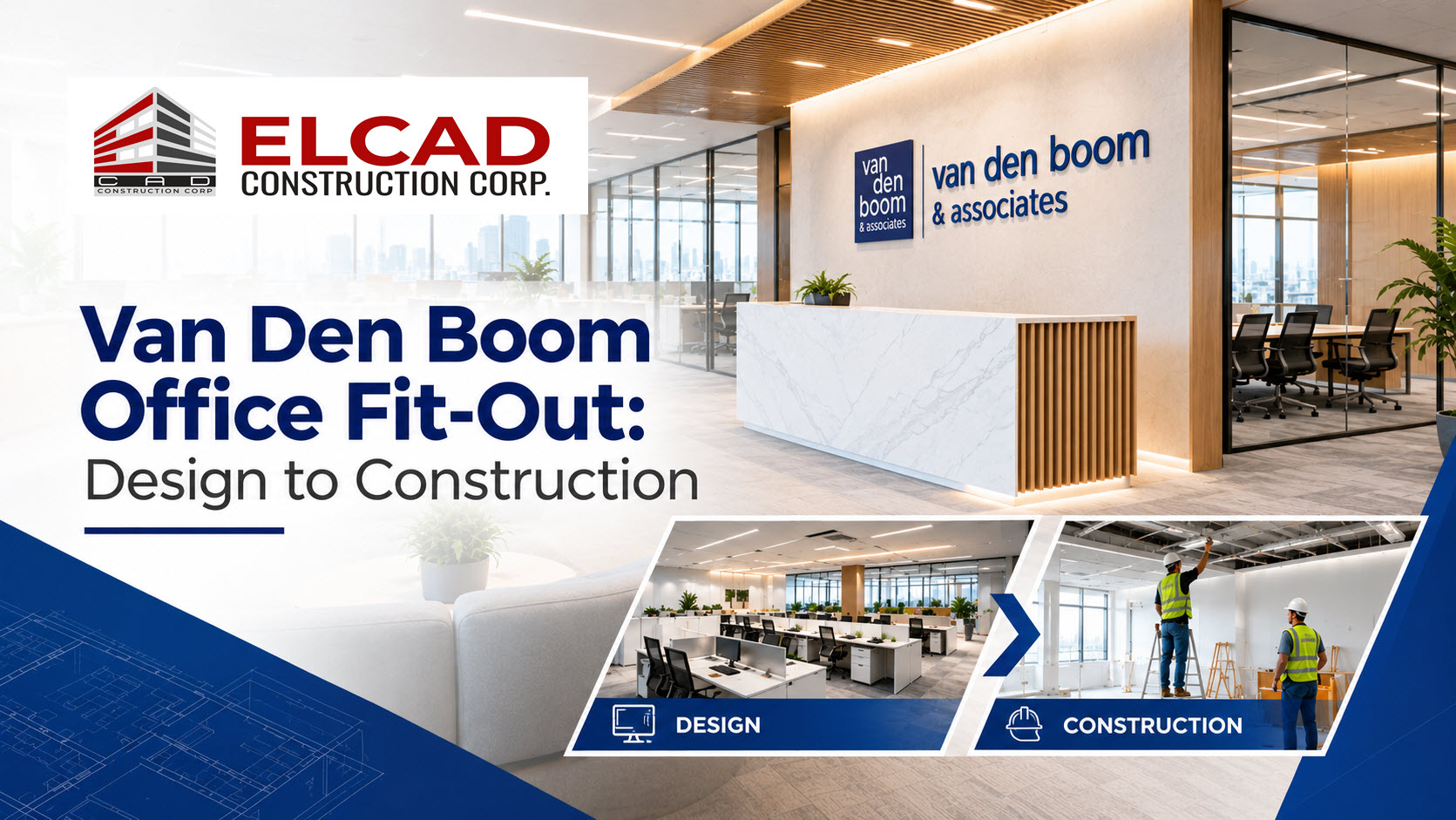
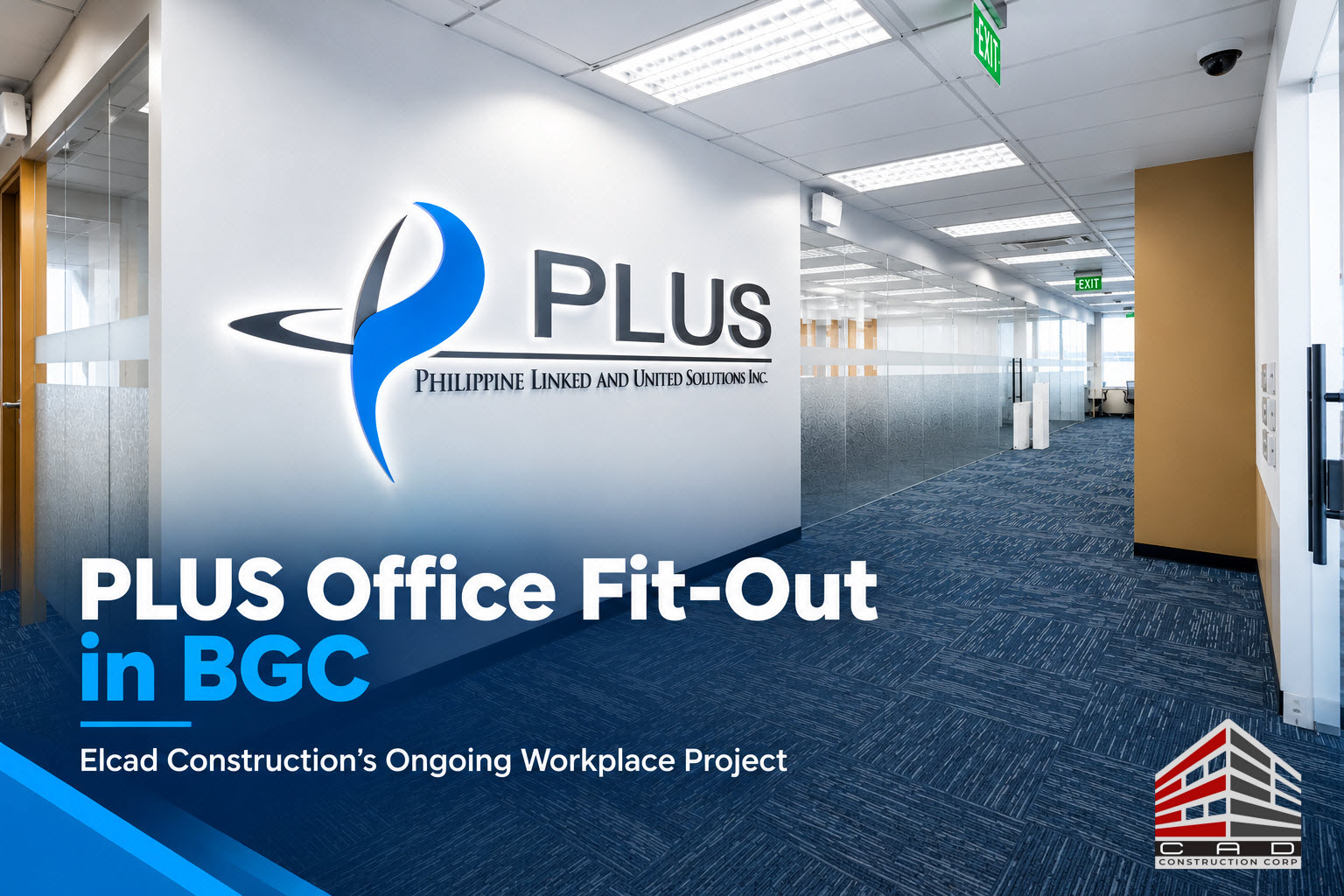
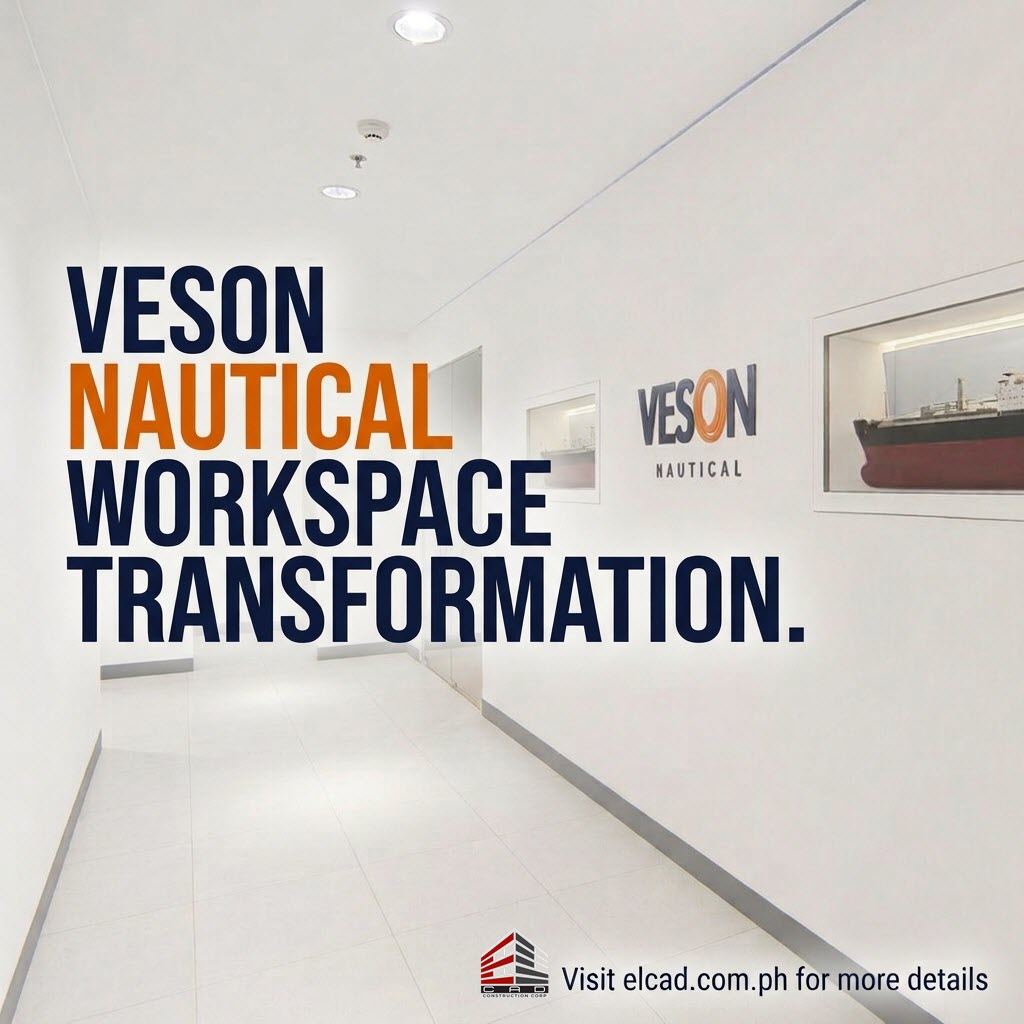
These boards can also become a social focal point. With a bit of creativity, they can serve as a thematic anchor for the rest of your office design. For visual inspiration, check out interior design projects by ELCAD Construction.
2. Ensure Proper Airflow, Temperature, and Lighting
A comfortable climate and good air quality are essential for office productivity. Install air filters and purifiers to improve indoor air, and don’t forget plants—biophilic design can enhance both air and mood.
Cornell University study shows that maintaining an office temperature around 25°C (77°F) boosts productivity by lowering error rates and increasing focus.
Lighting matters too. According to Northwestern Medicine, workers exposed to natural daylight sleep better and are more alert. Place desks near windows or increase natural light exposure wherever possible.
Explore our office renovation solutions to improve workplace efficiency.
3. Make Meeting Rooms More Dynamic
Employees spend a significant amount of time in meetings, so the design and organization of meeting spaces can directly influence collaboration, engagement, and workplace efficiency. According to the Department of Labor and Employment – Bureau of Working Conditions (DOLE-BWC), effective workplace organization and thoughtful visual management can help improve work quality, reduce stress, and support better productivity. For this reason, companies should avoid treating meeting rooms as purely functional spaces and instead design them to encourage clear communication, creative thinking, and productive collaboration.
4. Use Ergonomic Office Furniture
Repetitive strain injuries caused by improper posture can drain energy and reduce work output. Investing in ergonomic chairs and desks helps employees stay comfortable, focused, and engaged throughout the day.
Proper ergonomic office furniture should support the spine, allow adjustable heights, and encourage movement. A smart investment in design equals a healthier and more productive team.
5. Create Breakout Spaces
Productivity isn’t just about working harder—it’s about recharging effectively. Adding designated unwind zones can help employees reset during the day and return with better focus.
A lounge area with books, light refreshments, or even a quiet zone for personal time can reduce burnout and foster creativity. These spaces can double as informal meeting areas too.
Need help planning breakout areas? Work with a professional fit-out contractor who understands how to balance comfort with functionality.
Final Thoughts
Thoughtful office design for productivity doesn’t just make your workplace look better—it boosts performance, morale, and retention. From better airflow to comfortable furniture and inspiring layouts, the right design choices help your employees do their best work.
Engage with your team to learn what works for them, then take the first step toward a more productive space with expert support from ELCAD Construction.