
Office relocation planning can be challenging, but when done properly, it can lead to significant growth and improved operations. Relocating your office represents a fresh start—an opportunity to align your workspace with your company’s evolving goals and culture. If you’re wondering whether it’s time to move your office, here are the key signs to help you decide.
Signs That Your Office Needs More Space
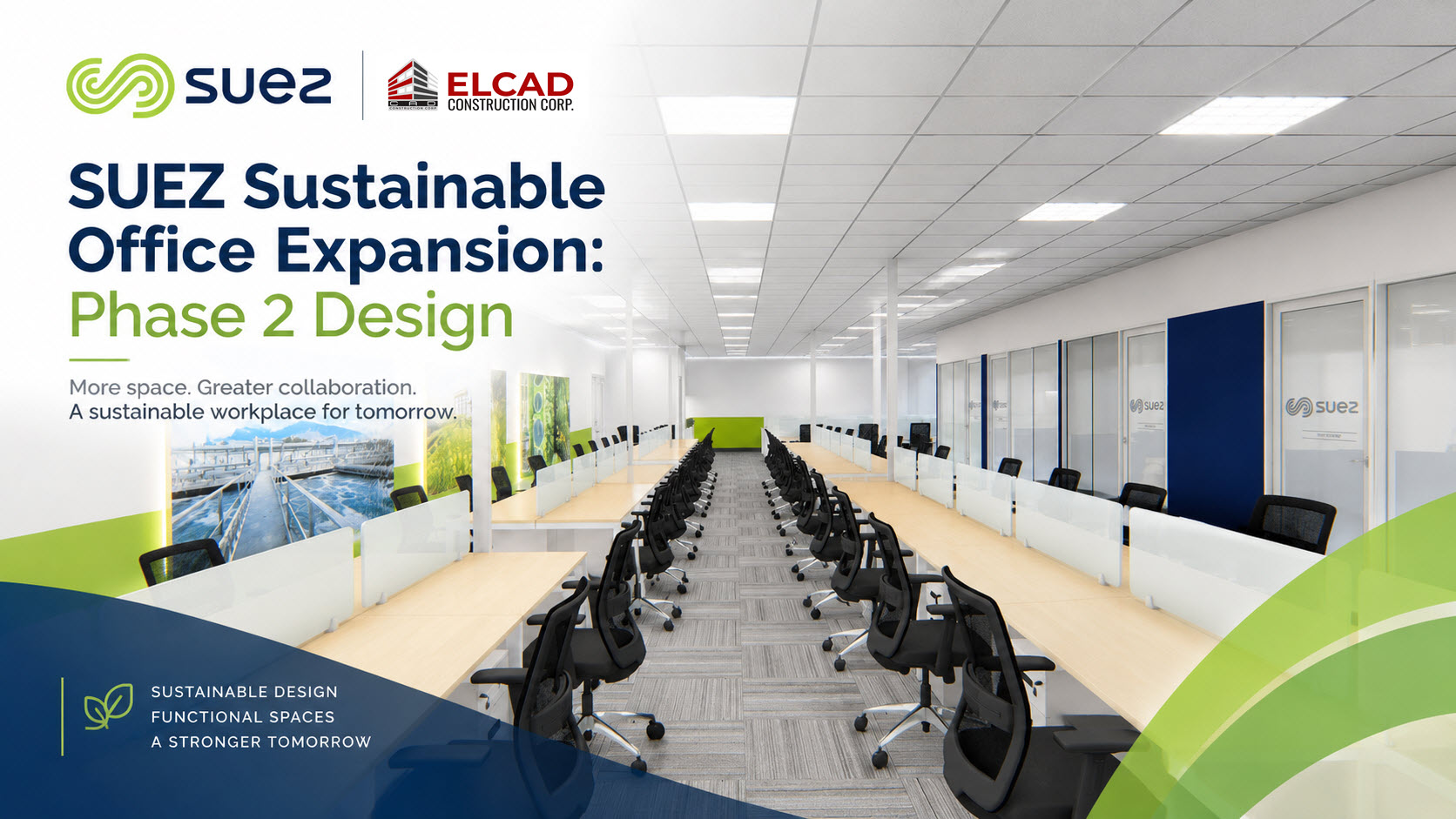
As your business grows, you inevitably add more staff, equipment, and departments. While quick fixes like decluttering or using partition panels (view options here) can help temporarily, limited space eventually stifles productivity.
If your team struggles with cramped workstations or a lack of meeting rooms, that’s a strong indicator you need to relocate. Conduct internal surveys and gather employee feedback on workspace conditions. Clients’ impressions also matter—an overcrowded environment may appear unprofessional.
For a long-term solution, look for a larger space and consult with a trusted office renovation contractor to tailor the layout according to your needs.
Inadequate Features That Hinder Productivity
Even spacious offices become unproductive when essential features are lacking. Do you have enough functional work areas like kitchens, lounges, or reliable parking? Are there recurring issues with the internet or utilities?
If your current space consistently disrupts operations, it’s time to plan a move. Collaborate with experienced designers (such as these) and contractors to ensure your new location is equipped with everything your team needs.
Also, consider whether your current location poses risks like flooding or faulty wiring. Long-term, these issues can cost more than relocation.
Planning a New Look for a New Culture
Company direction changes—whether from growth, industry shifts, or rebranding—often call for a fresh workspace. Sometimes, redesigning the existing office isn’t enough. Starting anew with a bare-shell space allows you to plan an efficient layout from scratch.
A well-executed office relocation not only attracts new clients but also motivates your employees. According to Forbes, a change in environment can reinvigorate productivity and reinforce company culture.
Safety Concerns That Justify Office Relocation Planning
Has your office had any recent accidents or recurring safety hazards? If so, don’t delay the decision to relocate. Facilities with aging structures, mold, faulty wiring, or exposure to high-risk surroundings can endanger your workforce.
Your company’s success depends on your team’s health and safety. Prioritize relocating to a safer, better-structured environment where your people can work with peace of mind.
When Your Office Location is No Longer Strategic
Your location has a direct impact on accessibility, costs, and client engagement. If high travel times or lack of proximity to your target market is a growing issue, it’s time to consider a move.
Another red flag is difficulty hiring qualified professionals. Relocating to a business hub with better talent access may be a wise decision. Click here why location plays a key role in both hiring and client acquisition.
Cutting Costs Through Smart Office Relocation Planning
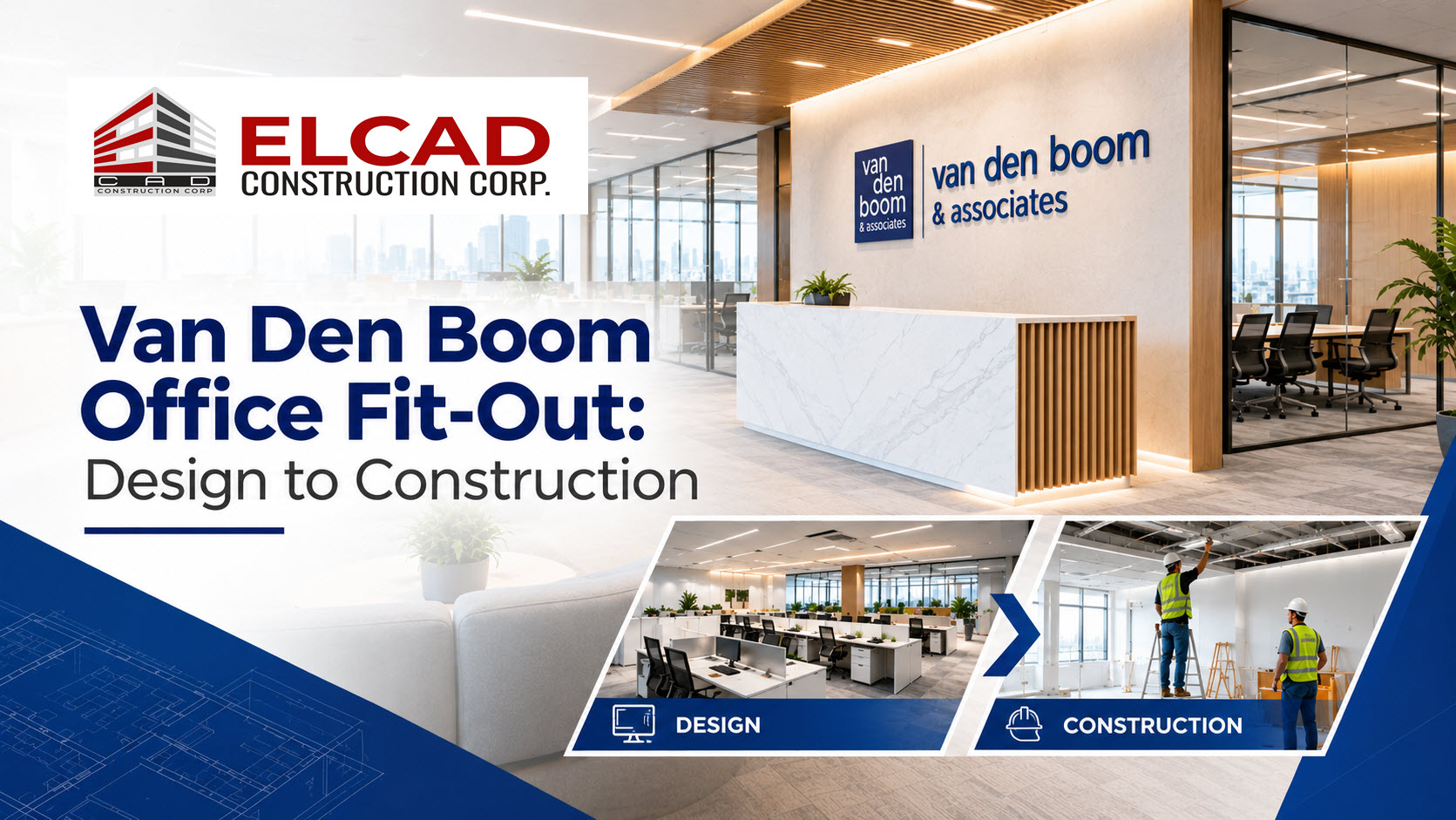
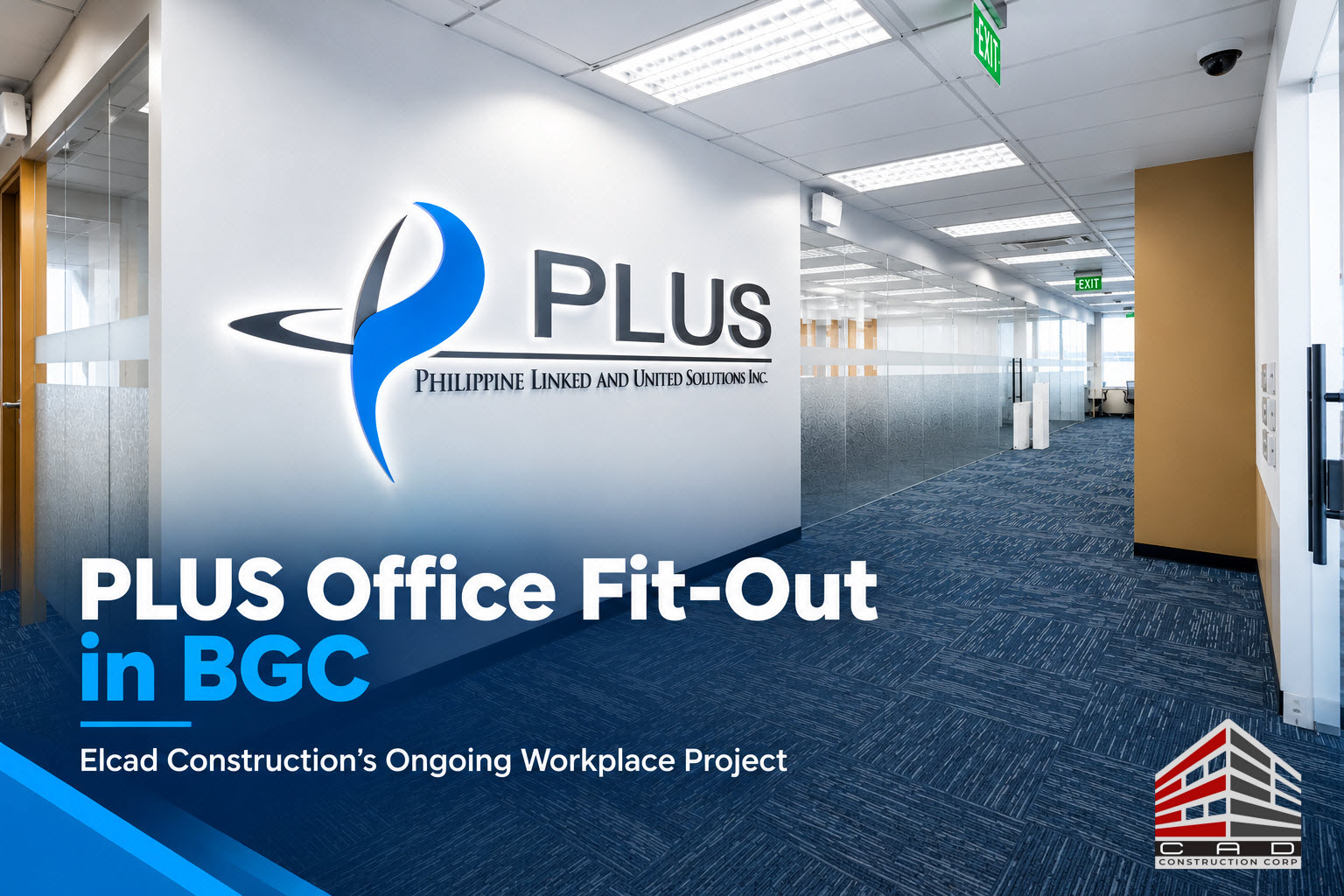
If your current lease or operational costs are draining your resources, downsizing or relocating to a more cost-effective location may be the solution. Even if the new space is smaller, it can still be designed for productivity through clever layout planning and expert fit out services (see projects here).
Office relocation planning allows you to control costs and prepare for long-term sustainability.
Preparing Your Business for a Smooth Office Move
Once you’ve identified the need to relocate, begin your office relocation planning with a detailed checklist:
-
Inspect the new property thoroughly.
-
Calculate direct and indirect costs, including downtime.
-
Communicate early and clearly with employees.
-
Delegate responsibilities and set a moving timeline.
-
Consider hiring a professional fit out contractor to manage the transition efficiently.
As a leader, help boost morale through meetings, presentations, or even team-building activities. A supportive environment will ease anxiety and foster collaboration during the move.
Final Thoughts on Office Relocation Planning
If your current office space no longer supports your team’s needs or company goals, it’s time to act. Effective office relocation planning helps avoid unnecessary disruptions and leads to a space that inspires productivity and growth.
Ready to move forward? Let ELCAD Construction help you design and build a better workspace for your future.